KPV Peptide: Benefits, Dosage and What the Research Shows
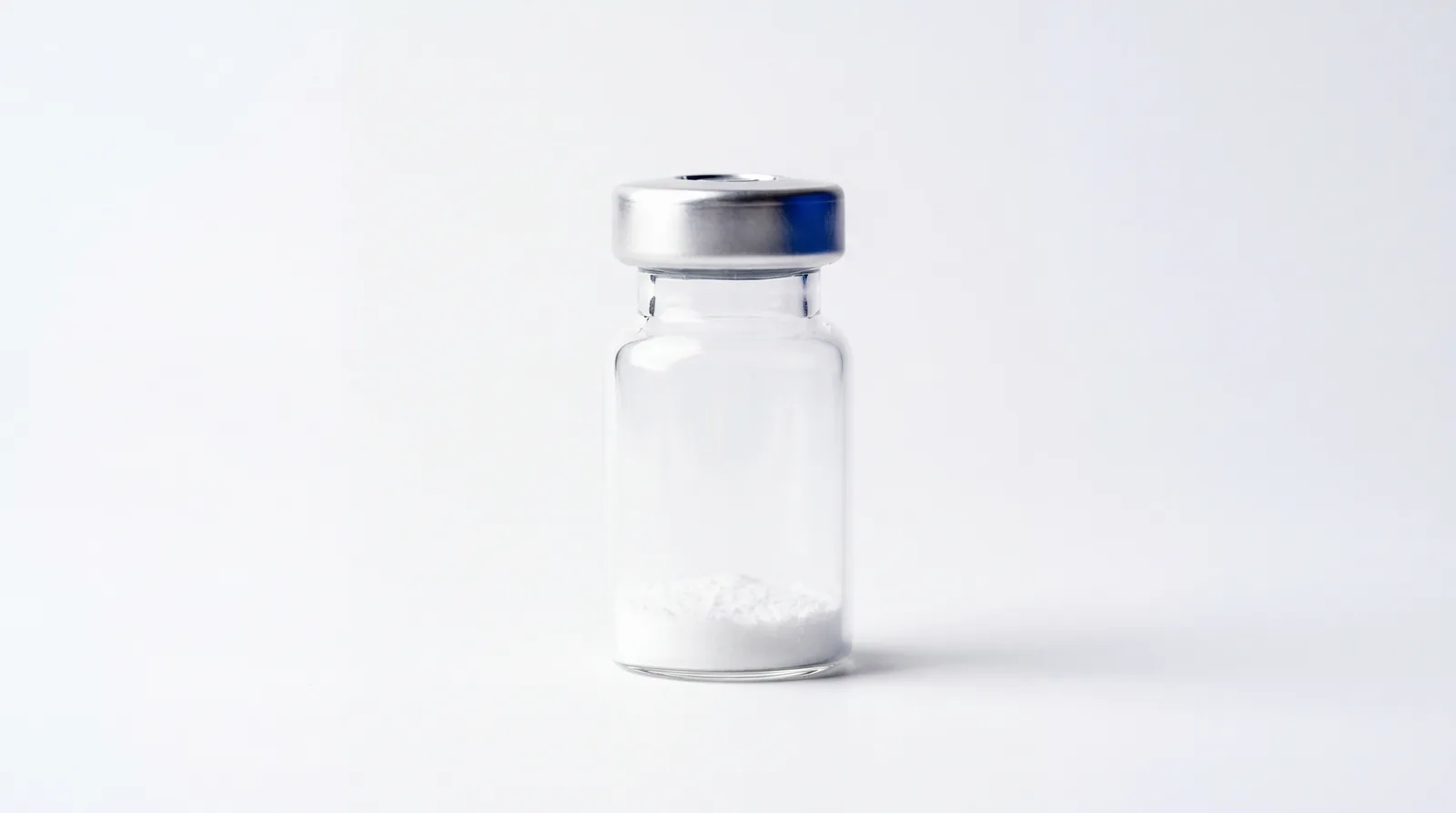
KPV is three amino acids long — lysine, proline, valine — which makes it one of the smallest peptides in serious research use. It is the C-terminal fragment of α-melanocyte-stimulating hormone, and the interesting finding behind it is that this fragment keeps α-MSH's anti-inflammatory activity while losing the pigmentation effect that makes the full hormone unusable for inflammation research.
How KPV works
α-MSH is a potent endogenous anti-inflammatory molecule. Research on its fragments identified the KPV sequence as the portion responsible for suppressing inflammatory signalling, principally by interfering with NF-κB activation — the transcription pathway that drives production of pro-inflammatory cytokines including TNF-α, IL-6 and IL-1β.
Two properties make it unusual. First, it appears to act intracellularly on epithelial cells rather than requiring a melanocortin receptor, which is why it remains active where receptor-dependent effects are absent. Second, in intestinal research KPV is taken up by the peptide transporter PepT1, which is expressed on inflamed colonic epithelium — meaning it concentrates specifically at inflamed tissue.
What the research covers
Inflammatory bowel conditions
This is the most developed area. In murine colitis models, KPV reduced inflammatory cytokine expression, limited weight loss and lessened histological tissue damage, with effects seen at very low concentrations when delivered to the colon. The PepT1 transport mechanism is the reason the gut is the strongest use case in the literature.
Skin inflammation and wound healing
Dermatological research has examined KPV for eczema, acne and wound repair, on the basis that α-MSH signalling regulates cutaneous inflammation. Studies report reduced inflammatory markers and improved healing metrics in models, and topical formulations have been investigated specifically because the peptide is small enough to be formulated for skin.
Antimicrobial activity
KPV also shows direct activity against some bacteria and fungi, includingStaphylococcus aureus and Candida albicans, in in-vitro work — an unusual combination with its anti-inflammatory effect and part of why it appears in wound-healing research.
Dosing references
Because no human dosing trial has been published, there is no evidence-based human dose. What exists is animal-study quantities in the microgram-per-kilogram range, and practice-based protocols in the research community that commonly reference 200–500 mcg daily, sometimes given in the evening.
| Form | Typical research quantity | Notes |
|---|---|---|
| Subcutaneous | 200–500 mcg daily | Systemic and skin-directed work |
| Oral / capsule | 250–500 mcg daily | Gut-targeted; relies on PepT1 uptake |
| Topical | Formulation dependent | Dermatological research |
Reconstitution math for a 10 mg vial:
Formula: concentration = peptide (mcg) ÷ water (ml). Volume = dose ÷ concentration. One unit on a U-100 insulin syringe = 0.01 ml. Values are for laboratory reference only.
| Vial | Water | Concentration | 250 mcg | 500 mcg |
|---|---|---|---|---|
| 10 mg | 2 ml | 5,000 mcg/ml | 5 units | 10 units |
| 10 mg | 2.5 ml | 4,000 mcg/ml | 6.25 units | 12.5 units |
| 10 mg | 5 ml | 2,000 mcg/ml | 12.5 units | 25 units |
Morning or night?
No published pharmacokinetic study establishes an optimal time of day for KPV. Its half-life is short, which is why daily administration is the norm in protocols, and evening timing in community practice is a convention rather than a finding. Anyone claiming a research-backed optimal time is overstating the evidence.
Safety
Across preclinical studies KPV has been well tolerated with no significant toxicity reported at studied doses, and it does not trigger melanogenesis the way α-MSH does. That is a favorable preclinical picture — but human safety data is absent, and "no reported toxicity in mice" is not the same claim as "safe in people."
KPV — 10 mg — American Peptides
Available as vials and capsules. Since KPV is dosed in micrograms, batch purity documentation matters — this supplier provides an HPLC and mass-spec COA per batch.
We may earn a commission if you buy through this link (at no extra cost to you). Sold for research purposes only.
Frequently asked questions
What is KPV peptide?
KPV is a tripeptide made of lysine, proline and valine — the final three amino acids of the α-melanocyte-stimulating hormone (α-MSH) sequence. It carries the anti-inflammatory activity of the parent hormone without its pigmentation effects.
What is KPV used for in research?
Published work focuses on inflammatory bowel conditions, skin inflammation and wound healing. In colitis models KPV reduced inflammatory markers and tissue damage; in dermatology research it has been studied for eczema, acne and wound repair.
What dose of KPV is used in studies?
Animal studies typically use microgram-per-kilogram quantities, and there is no established human dose because no human dosing trial has been published. Research suppliers usually sell 10 mg vials, and protocols circulating in the research community commonly reference 200–500 mcg daily — a figure from practice, not from published human trials.
Is KPV taken orally or by injection?
Both routes appear in research. Oral and capsule forms are used where the target is the gut lumen, because KPV acts on intestinal epithelial cells directly; subcutaneous administration is used for systemic and skin-directed work. Topical formulations exist for dermatological research.
Does KPV have side effects?
Published animal and in-vitro studies report a favorable tolerability profile with no significant toxicity at studied doses, and unlike α-MSH it does not stimulate melanogenesis. Human safety data does not exist, so the honest answer is that the side-effect profile in people is unknown.
Research on KPV
6 records in our research database, classified by evidence type:
- AnimalPepT1-mediated tripeptide KPV uptake reduces intestinal inflammationDalmasso G et al. · Gastroenterology, 2008
- AnimalMelanocortin-derived tripeptide KPV has anti-inflammatory potential in murine models of inflammatory bowel diseaseKannengiesser K et al. · Inflammatory Bowel Diseases, 2008
- Mixedα-MSH and related tripeptides: biochemistry, anti-inflammatory and protective effects in vitro and in vivoBrzoska T et al. · Endocrine Reviews, 2008
- In vitroAntimicrobial effects of α-MSH peptidesCutuli M et al. · Journal of Leukocyte Biology, 2000
Sources
- Dalmasso G et al. PepT1-mediated tripeptide KPV uptake reduces intestinal inflammation. Gastroenterology, 2008;134(1):166–78. PubMed
- Kannengiesser K et al. Melanocortin-derived tripeptide KPV has anti-inflammatory potential in murine models of inflammatory bowel disease. Inflammatory Bowel Diseases, 2008;14(3):324–31. PubMed
- Brzoska T et al. α-MSH and related tripeptides: biochemistry, anti-inflammatory and protective effects in vitro and in vivo. Endocrine Reviews, 2008;29(5):581–602. PubMed
- Cutuli M et al. Antimicrobial effects of α-MSH peptides. Journal of Leukocyte Biology, 2000;67(2):233–9. PubMed
Related guides
- Peptide reconstitution calculator
- Are peptides safe? What the research shows
- Best peptides for weight loss, ranked