PT-141 (Bremelanotide): Dosage, Effects and Safety
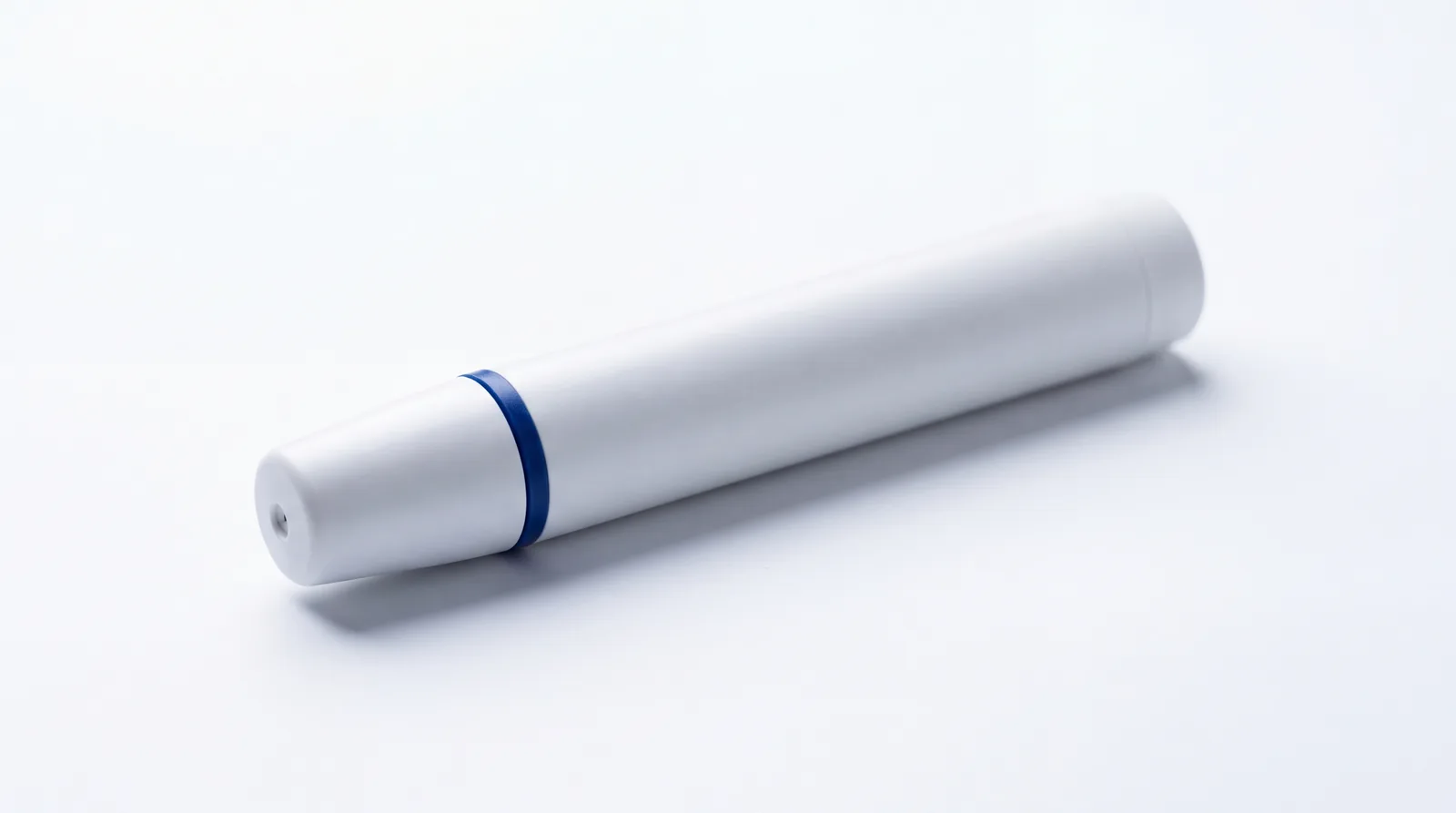
PT-141 is one of the few compounds discussed as a research peptide that actually has an FDA-approved form. It cleared approval in 2019 as Vyleesi, and that approval is narrow: hypoactive sexual desire disorder in premenopausal women. Everything else about it — male use, research-grade powder, dosing outside the label — sits outside that approval, which is a distinction worth keeping straight.
How PT-141 works, and why it is different
Sildenafil and its relatives inhibit PDE5, which relaxes vascular smooth muscle and improves blood flow. They work on plumbing, and they require desire to already be present.
PT-141 works on the melanocortin system in the central nervous system, primarily at the MC4 receptor in the hypothalamus. That pathway is involved in sexual motivation itself. The practical consequence is that PT-141 affects desire rather than vascular response — the two mechanisms address different halves of the same problem, and neither substitutes for the other.
PT-141 is a metabolite of melanotan II, which is where the family resemblance comes from. Melanotan II is a broad melanocortin agonist that also hits MC1 and produces pigmentation; PT-141 is more selective and does not meaningfully tan skin.
Dosing
| Context | Dose | Timing | Frequency limit |
|---|---|---|---|
| Vyleesi (approved) | 1.75 mg subcutaneous autoinjector | ≥45 min before activity | Max 1 per 24 h, 8 per month |
| Research protocols | 1–2 mg subcutaneous | 45 min – 2 h before | Not established |
| Nasal (discontinued) | Intranasal, various | — | Abandoned over blood pressure |
The approved dose is a useful anchor because it comes from a dose-finding program rather than from practice. The monthly cap of eight doses is part of the label, not an arbitrary caution — the trials did not establish safety at higher frequency.
| Vial | Water | Concentration | 1 mg | 1.75 mg | Doses (1.75 mg) |
|---|---|---|---|---|---|
| 10 mg | 2 ml | 5 mg/ml | 20 units | 35 units | 5 |
| 10 mg | 2.5 ml | 4 mg/ml | 25 units | 44 units | 5 |
| 5 mg | 2 ml | 2.5 mg/ml | 40 units | 70 units | 2 |
Formula: concentration = peptide (mcg) ÷ water (ml). Volume = dose ÷ concentration. One unit on a U-100 insulin syringe = 0.01 ml. Values are for laboratory reference only.
What the trials found
The two RECONNECT Phase 3 trials enrolled roughly 1,200 premenopausal women with hypoactive sexual desire disorder. Both reported statistically significant improvements in desire and reductions in distress compared with placebo. The effect sizes were modest — meaningful enough for approval, not dramatic — and the honest summary is a real but moderate benefit in the population studied.
Male development is a more complicated story. Earlier work in men with erectile dysfunction, including men who did not respond to sildenafil, reported improvements in erectile response. That program used intranasal delivery and was halted when blood pressure increases emerged. Subcutaneous delivery was subsequently developed for the female indication only. So male use has trial precedent and no approval — a different situation from compounds with no human data at all.
Side effects
These come from an approved-drug safety database, which is unusual in this space:
- Nausea — the most common effect by a wide margin, reported by roughly 40% in trials, and the main reason participants discontinued.
- Flushing — around 20%.
- Injection-site reactions — common and generally mild.
- Headache — around 11%.
- Transient blood pressure increase with reflex heart rate decrease — occurs after each dose, typically peaking within a few hours and resolving.
- Focal hyperpigmentation — reported in about 1% of trial participants, more likely with more frequent dosing; not always fully reversible.
Practical notes
Nausea is dose-related, which is why some protocols start below the full dose to gauge tolerance. Timing matters more than with PDE5 inhibitors given the 45-minute-plus onset. And because the subjective window can extend well beyond a few hours, stacking doses close together adds risk without adding much effect.
PT-141 — 10 mg — American Peptides
Research-grade PT-141 is not the approved Vyleesi product and carries no label or dosing guidance. Batch COA with HPLC and mass spec provided. Research use only.
We may earn a commission if you buy through this link (at no extra cost to you). Sold for research purposes only.
Frequently asked questions
What is PT-141?
PT-141, also called bremelanotide, is a melanocortin receptor agonist studied for sexual dysfunction. Unlike PDE5 inhibitors such as sildenafil, it acts on the central nervous system rather than on blood flow, which is why it is described as working on desire rather than mechanics.
What is the standard PT-141 dose?
The FDA-approved product Vyleesi delivers 1.75 mg subcutaneously as needed, at most once in 24 hours and no more than eight times per month. Research protocols circulating outside that product commonly reference 1–2 mg, taken 45 minutes to a few hours before activity.
How long does PT-141 take to work and how long does it last?
Onset in trials was typically 45 minutes to two hours after injection. The subjective window reported in research and user accounts extends for several hours and sometimes into the following day, considerably longer than PDE5 inhibitors.
Is PT-141 FDA approved?
Yes, in one specific form. Bremelanotide was approved in 2019 as Vyleesi for acquired, generalised hypoactive sexual desire disorder in premenopausal women. It is not approved for men or for erectile dysfunction, and research-grade PT-141 sold as a powder is not an approved product.
Does PT-141 work for men?
Earlier clinical work did study men with erectile dysfunction and reported improvements, but that development program was discontinued after intranasal dosing produced blood pressure increases. Approval was ultimately pursued only for premenopausal women, so male use has trial history but no approval.
Research on PT-141 (Bremelanotide)
5 records in our research database, classified by evidence type:
- HumanBremelanotide for the Treatment of Hypoactive Sexual Desire Disorder: Two Randomized Phase 3 Trials (RECONNECT)Kingsberg SA et al. · Obstetrics & Gynecology, 2019
- MixedMelanocortin peptide therapeutics: historical milestones, clinical studies and commercializationHadley ME, Dorr RT · Peptides, 2006
- HumanAn effect on the subjective sexual response in premenopausal women with sexual arousal disorder by bremelanotide (PT-141), a melanocortin receptor agonistDiamond LE et al. · Journal of Sexual Medicine, 2006
- HumanEvaluation of the safety, pharmacokinetics and pharmacodynamic effects of subcutaneously administered PT-141 in healthy male subjects and in patients with an inadequate response to ViagraRosen RC et al. · International Journal of Impotence Research, 2004
Sources
- VYLEESI (bremelanotide injection) prescribing information, NDA 210557. FDA, 2019. FDA label (PDF)
- Kingsberg SA et al. Bremelanotide for the Treatment of Hypoactive Sexual Desire Disorder: Two Randomized Phase 3 Trials (RECONNECT). Obstetrics & Gynecology, 2019;134(5):899–908. PubMed
- Diamond LE et al. An effect on the subjective sexual response in premenopausal women with sexual arousal disorder by bremelanotide (PT-141), a melanocortin receptor agonist. Journal of Sexual Medicine, 2006;3(4):628–38. PubMed
- Rosen RC et al. Evaluation of the safety, pharmacokinetics and pharmacodynamic effects of subcutaneously administered PT-141, a melanocortin receptor agonist, in healthy male subjects and in patients with an inadequate response to Viagra. International Journal of Impotence Research, 2004;16(2):135–42. PubMed
Related guides
- Melanotan II: the non-selective analogue it replaced
- Peptide reconstitution calculator
- Are peptides safe? Side effects by class
- Where to buy peptides: supplier comparison